“call it coffee.” search results (22000)

The knowledge about round beans is also called male beans.
Round bean / common bean, known as Peaberry or caracoli in English, is a variety of coffee beans. In fact, the male bean is a flaw, officially speaking, it is not a normal development of coffee beans. The causes are usually caused by insect damage, lack of rain in case of prolonged drought, or malnutrition of coffee trees. In general, the fruit of a coffee tree contains two coffee beans, each in a flat hemispherical shape.
2015-04-14 Related round beans knowledge also known as public beans English Peaber
Planting requirements of Coffee and introduction of Environment, Weather and Climate
Coffee fruit contains two seeds, namely coffee beans. The two beans are connected face to face with each other on one side of the plane. Each coffee bean has a thin outer film, which is called silver skin, and its outer layer is covered with a yellow outer skin, called endocarp. The whole coffee bean is wrapped in a sticky pulp to form coffee pulp, which is soft and sweet.
2016-06-13 Coffee planting requirements environment weather climate introduction coffee fruit containing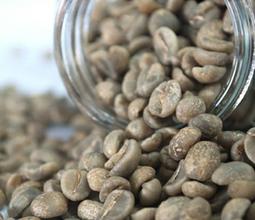
Processing methods of high-quality coffee and raw beans: washing and tanning
Raw coffee beans are the seeds of coffee trees. It is the wealth hidden in coffee cherries (coffee berries) that people usually call coffee cherries. They are mistakenly called beans because they are similar to the beans we usually see, but they are actually the seeds of coffee. Usually there are two flat oval coffee beans in the coffee berries, and there is only one in a few coffee berries.
2015-11-28 Boutique coffee raw beans treatment method washing sun drying seeds
The ancients drank tea and played "pull flowers", which far exceeded the modern coffee skills.
Cappuccino, popular in the 21st century, pays special attention to pulling flowers, to pull into a variety of patterns, heart-shaped, rose-shaped, or pull out two connected hearts, or pull out the five petals of plum blossoms, in a variety of ways, to name a few. In fact, people in the Tang and Song dynasties played the game of pulling flowers more than a thousand years ago, and their skills are far better than those in these modern cafes. The tea ceremony in Tang and Song dynasties is
2015-09-11 The ancients drinking tea pulling flowers more than modern coffee skills 21st century popular
History of Coffee in South America
[Colombia] is the world's second-largest coffee producer, accounting for about 12% of the world's annual output, which is much lower than Brazil's 30% to 35%, but most of them are high-quality mountain-washed beans. Central Colombia is divided into valleys by three north-south longitudinal mountains, of which the central and eastern mountains are the main coffee producing areas. The coffee here is named after the distributed market
2014-08-06 Coffee Culture South American Coffee Coffee Encyclopedia
A brief introduction to delicious death wish Coffee the characteristics of boutique death wish coffee
Death wish Coffee (Death Wish), the strongest coffee in the world produced by a coffee maker in New York, USA, is called the strongest because it contains four times as much caffeine as ordinary coffee beans. Brown, a coffee shop owner from New York in the United States, has developed a coffee called death wish (DeathWish), which is packed with skulls and claimed to be the most refreshing in the world. It's coffee.
2016-05-04 Delicious death wish coffee profile boutique characteristics
Why is black coffee called a health messenger coffee common sense
Black coffee is coffee without any modification, black coffee brings the original feeling of coffee taste. Black coffee sets the characteristics of coffee sweet acid bitter five, it is primitive and rough, deep and intriguing. However, we always know too little about black coffee, and the distance between them makes it more mysterious. In fact, black coffee is around, love it, you will be one
2015-09-11 coffee why people called health messenger common sense without any
31 kinds of coffee in different countries around the world
When you go abroad, if you still want to drink coffee, you must be psychologically prepared. Even if it is called by the same name, the composition of the coffee may differ by 108000 li. If you don't quite understand the difference, you can only compromise in the end: give me something hot, caffeinated and drinkable. A British travel website matches the names and ingredients of 31 common coffees around the world
2015-10-19 Global 31 common coffee different country name out want to drink
The pedigree and variety of selected coffee
Since human beings planted coffee, many varieties of coffee have been discovered and developed.
2014-06-17 Coffee knowledge coffee varieties coffee encyclopedia
Introduction to the varieties of boutique coffee
Since human beings planted coffee, many varieties of coffee have been discovered and developed.
2014-09-02 Coffee knowledge boutique coffee coffee varieties
The planting conditions of high-quality coffee beans and common sense coffee trees
The origin of the coffee tree is Ethiopia in Africa. In botany, coffee trees belong to the evergreen trees of the subgenus Rubiaceae, and coffee beans, commonly known as coffee beans, are actually the seeds of the fruit of coffee trees. They are called coffee beans only because they are shaped like beans. Climate is the decisive factor for coffee cultivation. Coffee trees are only suitable for growing in the tropics or subtropics, so latitude 25 degrees south and north.
2015-02-25 Boutique coffee beans common sense coffee planting conditions origin Africa Egypt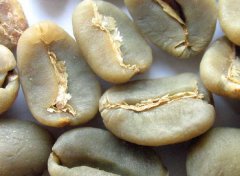
The knowledge about round beans, it is also called male beans, coffee beans, coffee bean shape.
Round bean / common bean, known as Peaberry or caracoli in English, is a variety of coffee beans. In fact, the male bean is a flaw, officially speaking, it is not a normal development of coffee beans. The causes are usually caused by insect damage, lack of rain in case of prolonged drought, or malnutrition of coffee trees. In general, the fruit of a coffee tree contains two coffee beans, each in a flat hemispherical shape.
2016-06-13 Related round beans knowledge also known as public beans coffee beans shape English
Basic knowledge of Fine Coffee in South America
[Colombia] is the world's second-largest coffee producer, accounting for about 12% of the world's annual output, which is much lower than Brazil's 30% to 35%, but most of them are high-quality mountain-washed beans. Central Colombia is divided into valleys by three north-south longitudinal mountains, of which the central and eastern mountains are the main coffee producing areas. The coffee here is named after the distributed market
2015-04-27 South America coffee boutique basics common sense Columbia world No. 2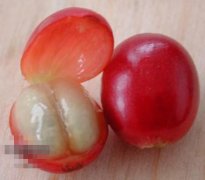
South American coffee history boutique coffee bean species
[Colombia] is the world's second-largest coffee producer, accounting for about 12% of the world's annual output, which is much lower than Brazil's 30% to 35%, but most of them are high-quality mountain-washed beans. Central Colombia is divided into valleys by three north-south longitudinal mountains, of which the central and eastern mountains are the main coffee producing areas. The coffee here is named after the distributed market
2015-03-06 South America coffee boutique coffee beans species Columbia the second largest
Indonesian Coffee Bean wahana Hua Hanna Honey Fruit
Wahana Manor from Indonesia honey-treated coffee beans, referred to as Hua Hanna honey fruit. The so-called honey-treated coffee beans is actually a compromise without good coffee treatment. Hua Hanna honey fruit is impressive with a light and soft sour taste; it is an approachable coffee bean that is not as fishy as Indonesia's Mantenin coffee beans in the past. The so-called honey treatment is called Honey Proc
2014-06-26 Boutique coffee beans individual coffee Indonesian coffee beans
Growth and characteristics of Coffee trees
The origin of the coffee tree is Ethiopia in Africa. In botany, coffee trees belong to the evergreen trees of the subgenus Rubiaceae, and coffee beans, commonly known as coffee beans, are actually the seeds of the fruit of coffee trees. They are called coffee beans only because they are shaped like beans.
2014-09-02 Coffee knowledge coffee tree coffee tree planting coffee tree growth characteristics
What is the difference between espresso (Espresso) and individual coffee?
Let's first take a look at the concept of espresso and single coffee.
2014-06-23 Coffee knowledge Espresso Coffee Encyclopedia individual Coffee
The Cultural History of Coffee in South America
[Colombia] is the world's second-largest coffee producer, accounting for about 12% of the world's annual output, which is much lower than Brazil's 30% to 35%, but most of them are high-quality mountain-washed beans. Central Colombia is divided into valleys by three north-south longitudinal mountains, of which the central and eastern mountains are the main coffee producing areas. The coffee here is named after the distributed market
2015-07-28 South America coffee about cultural history Colombia the world the second university health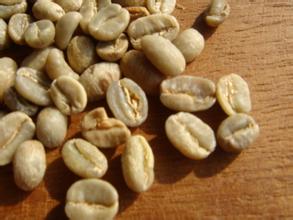
The latest introduction of coffee beans A brief introduction to the basic knowledge of Coffee beans
Raw coffee beans are the seeds of coffee trees. It is the wealth hidden in coffee cherries (coffee berries) that people usually call coffee cherries. They are mistakenly called beans because they are similar to the beans we usually see, but they are actually the seeds of coffee. Usually there are two flat oval coffee beans in the coffee berries, and there is only one in a few coffee berries.
2015-12-28 Coffee raw beans boutique coffee beans latest introduction basics common sense profile coffee
The branches of coffee continue the common sense of planting coffee trees.
The branches of coffee can be divided into the following categories according to their growing position and growth direction: a branch: there are two kinds of buds in the axils of the main leaves of coffee. The opposite branch is drawn laterally from the upper bud of the trunk (developing at the same time as the terminal bud of the trunk), which is called a branch. Second branch: a branch drawn from the axil of a branch at an angle of 45-60 degrees is called a second branch, which is shorter than a branch. A branch regularly drawn from the axils of a bifurcated leaf.
2015-03-27 Coffee branches planting continue common sense coffee according to its birth position and